
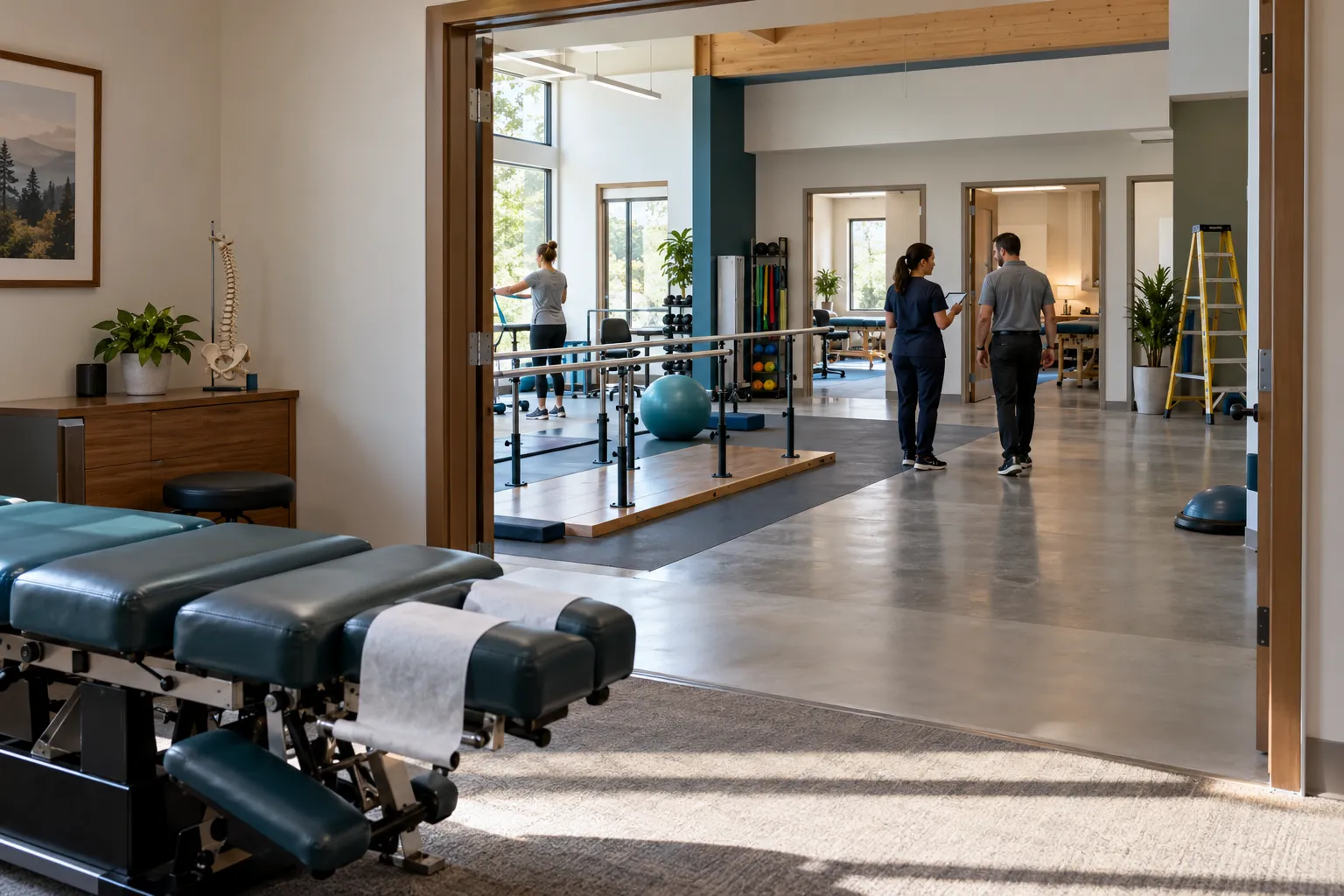
Making the Leap to Integration: How to Transition from Solo Practice to a Multidisciplinary Model
At some point in your career, you’ll face a pivotal decision
Practice management, team development, and multidisciplinary care.
394 articles · Page 2 of 20
At some point in your career, you’ll face a pivotal decision

If you want to grow your practice consistently, predictably, and profitably—there’s one thing you must master

Regenerative medicine is one of the most talked-about opportunities in healthcare today.
There’s a question I hear frequently from chiropractors across the country
Multidisciplinary practices (MDPs) are among the fastest-growing models in healthcare today—but they are also among the most misunderstood.

One of the most overlooked—and frankly avoided—topics in chiropractic and multidisciplinary practice ownership is the exit strategy. Yet, after nearly three decades of coaching doctors across the country, I can tell you with certainty: the most successful practices are built with the end in mind.

Launching a BHRT program doesn’t need to be overwhelming—if you follow a structured roadmap. Think of it as a 12-step business system designed to minimize chaos and maximize momentum.
The most successful BHRT programs don’t sell—they educate . Before your first consultation, patients should already understand your process, feel confident in your expertise, and be excited to begin. That’s where a Patient Pre-Education Engine comes in.
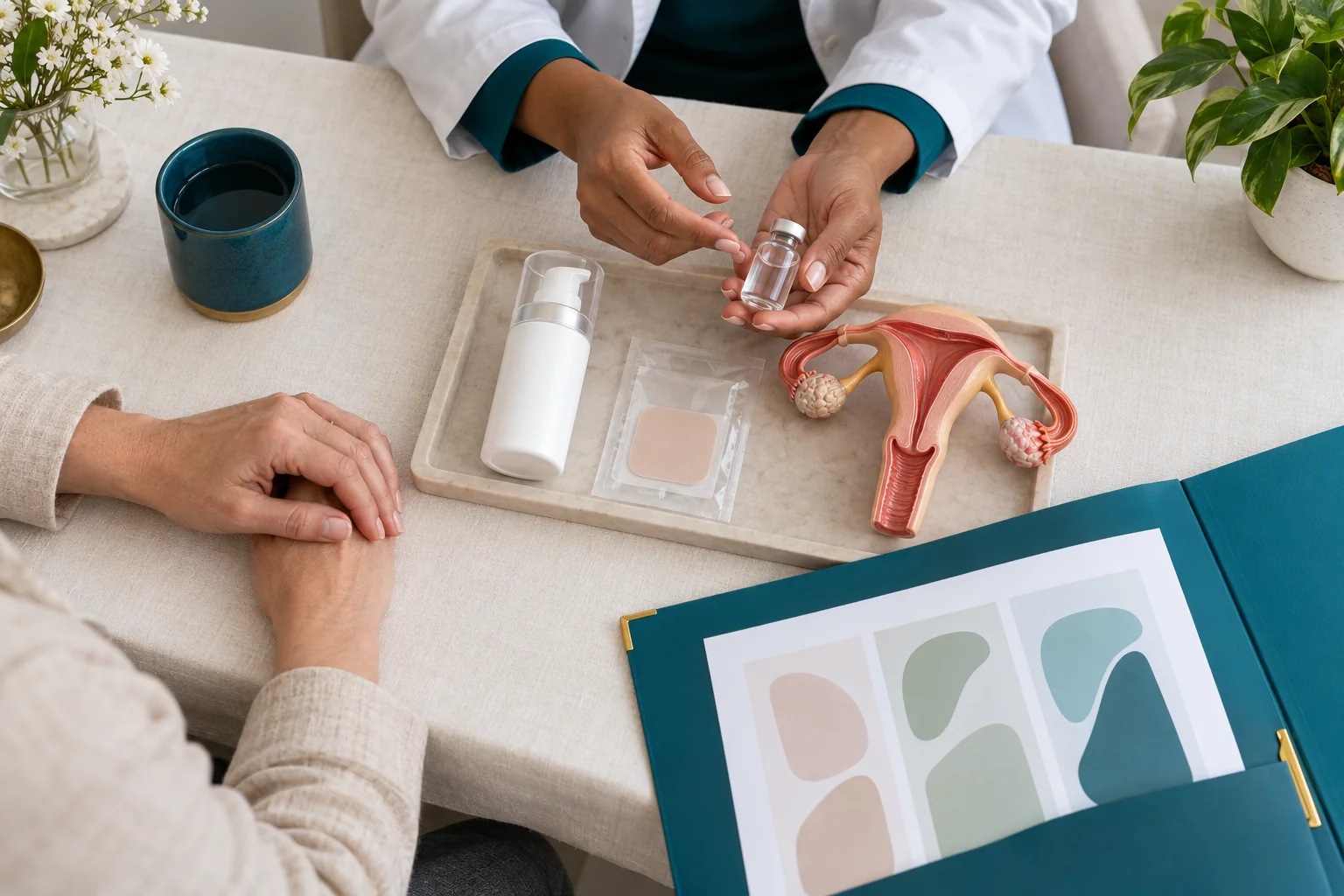
Launching a Bioidentical Hormone Replacement Therapy (BHRT) program can be one of the most impactful expansions for an integrated or multidisciplinary practice. But success requires far more than simply offering hormone prescriptions—it demands a structured, compliant, education-driven system that patients trust from day one.
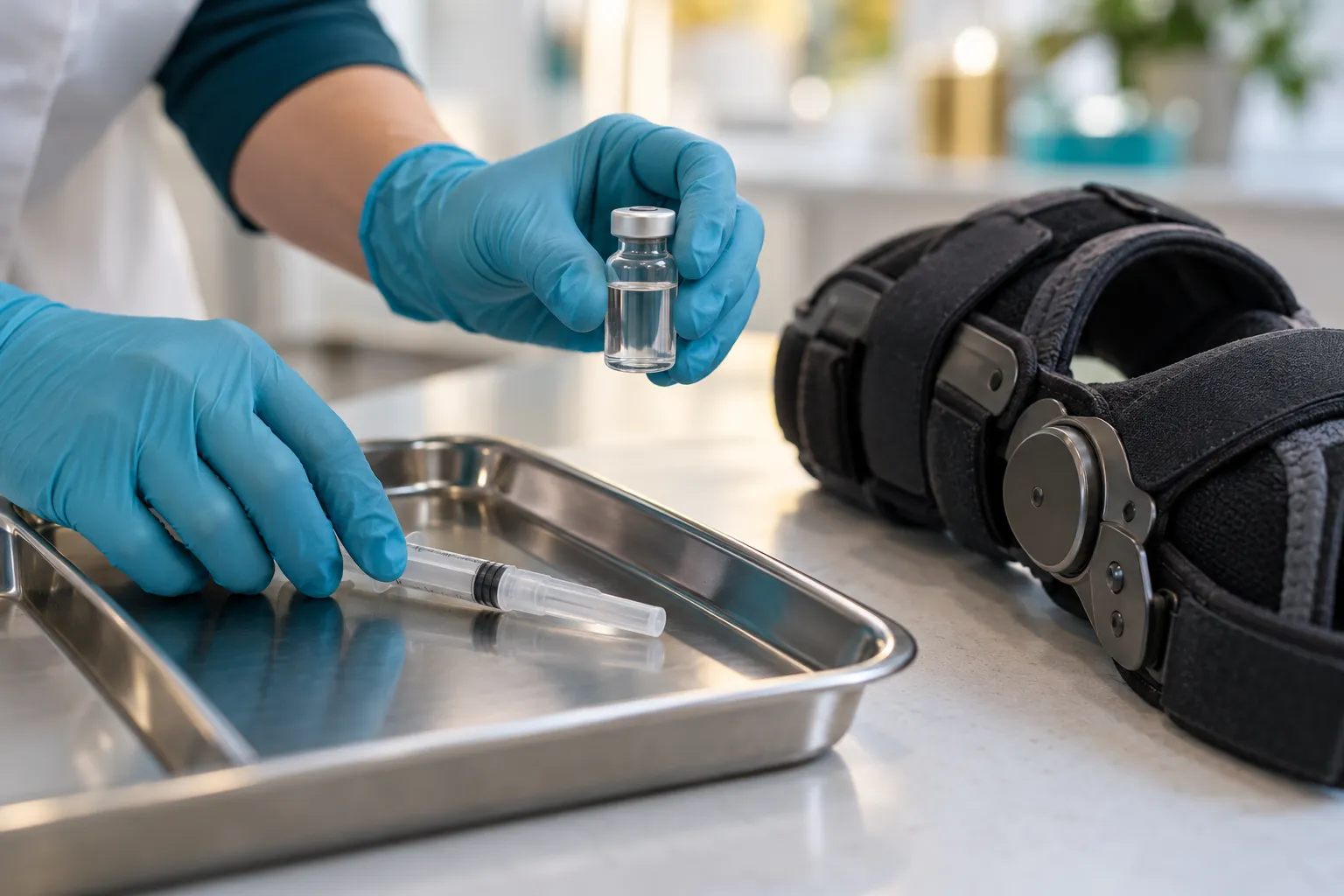
In the world of peptide therapy, few compounds generate as much excitement as BPC-157 —known as the “Wolverine Peptide” for its remarkable regenerative power.

Two peptides stand out as game changers in regenerative and wellness care: NAD+ and Glutathione .

Peptide therapy is one of the most exciting frontiers in modern healthcare—and it’s tailor-made for integrative chiropractic practices. These short chains of amino acids act as biological messengers , influencing metabolism, inflammation, repair, and overall cellular function.
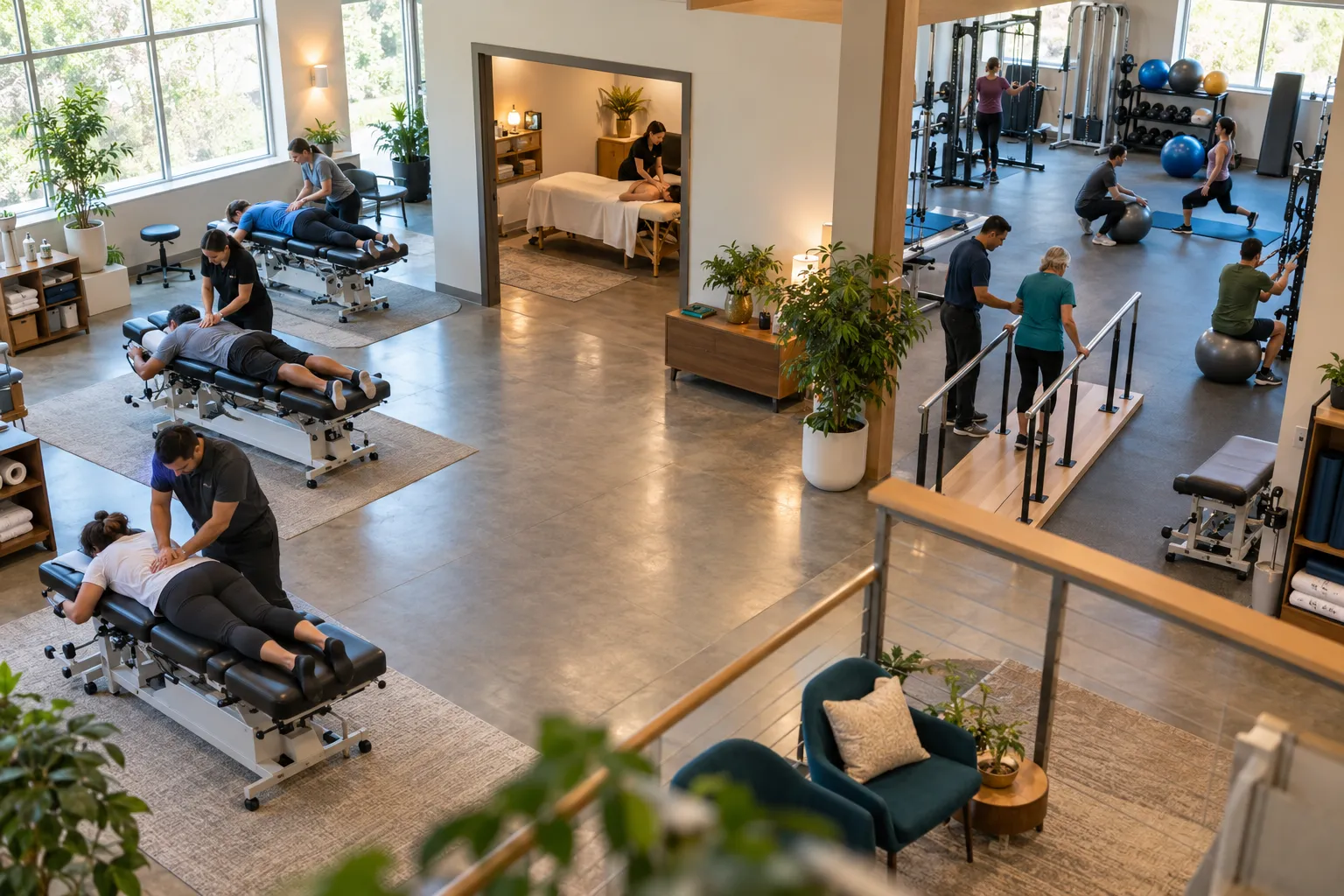
Integrated practices are redefining chiropractic success by offering patients more options and better outcomes. But the real advantage lies in strategic service expansion —adding complementary offerings that improve patient results while increasing profitability.

Integrated medicine isn’t just about combining services—it’s about building a solid, compliant foundation that supports sustainable growth. The two pillars of that foundation are compliance and teamwork .

If you’re looking for a cutting-edge yet natural way to help patients improve brain function, boost energy, and recover from fatigue or injury, NAD+ therapy belongs in your treatment toolkit.
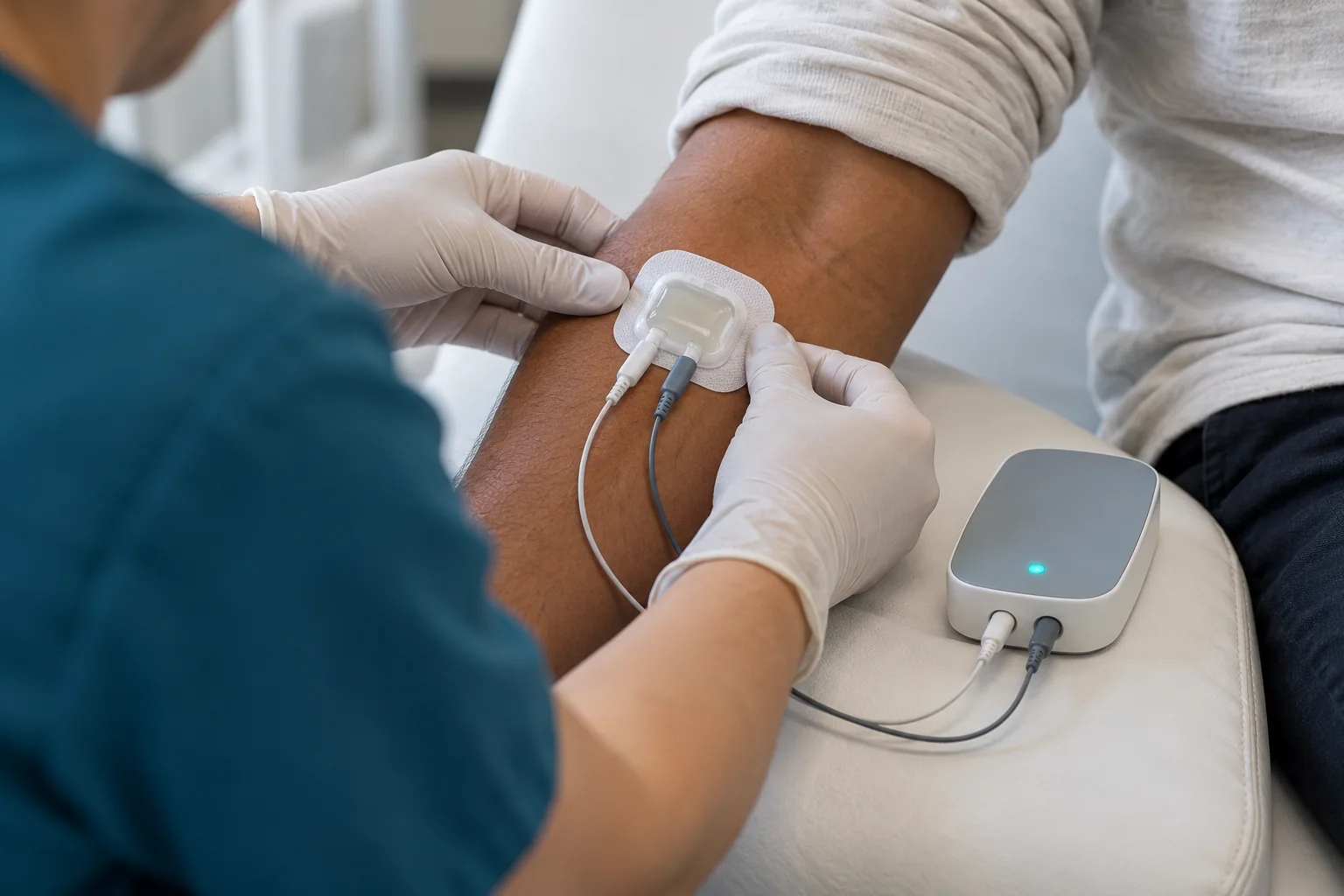
Incorporating NAD+ therapy into your practice is easier than you might think, thanks to a powerful delivery system called iontophoresis . This non-invasive method uses a gentle electrical current to deliver nutrients and compounds through the skin directly into the bloodstream—bypassing the digestive system and maximizing absorption.
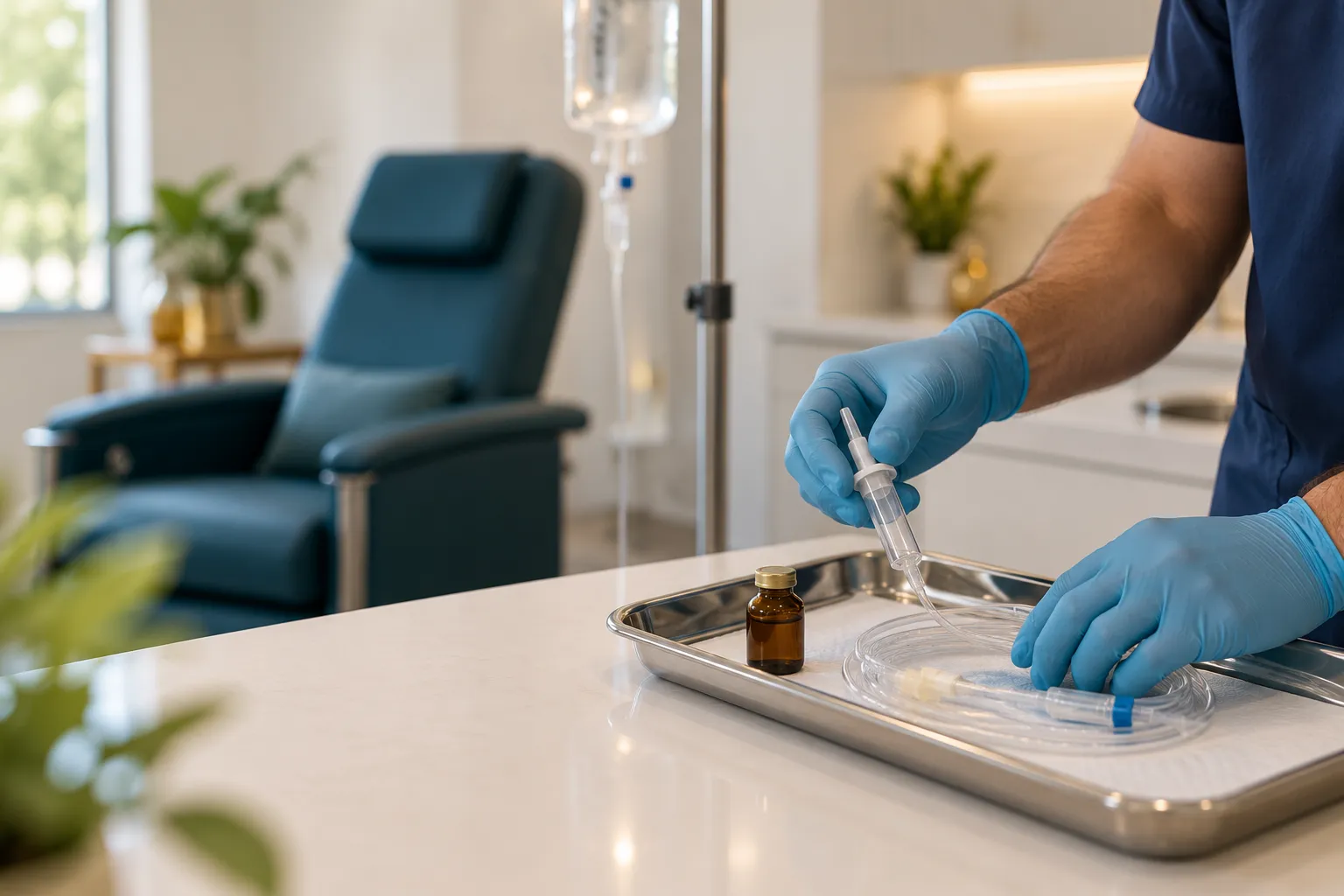
As chiropractors, we specialize in restoring function and optimizing the body’s natural ability to heal. But there’s a cellular powerhouse that takes that mission even further: NAD+ (Nicotinamide Adenine Dinucleotide) .
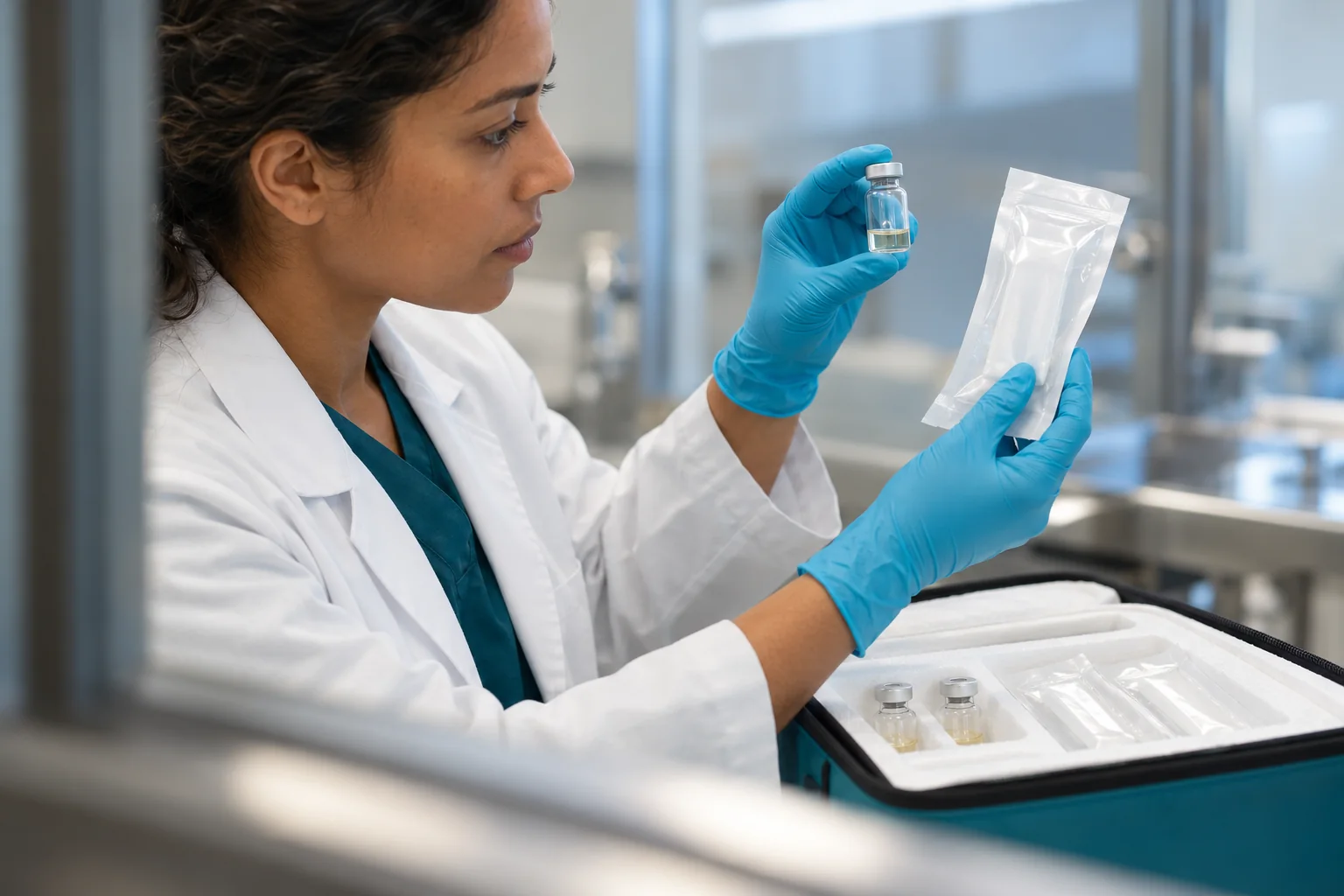
Not all regenerative therapies are created equal. As more chiropractors and integrated practices expand into regenerative medicine, understanding product quality, sourcing, and compliance is essential for patient safety and long-term success.
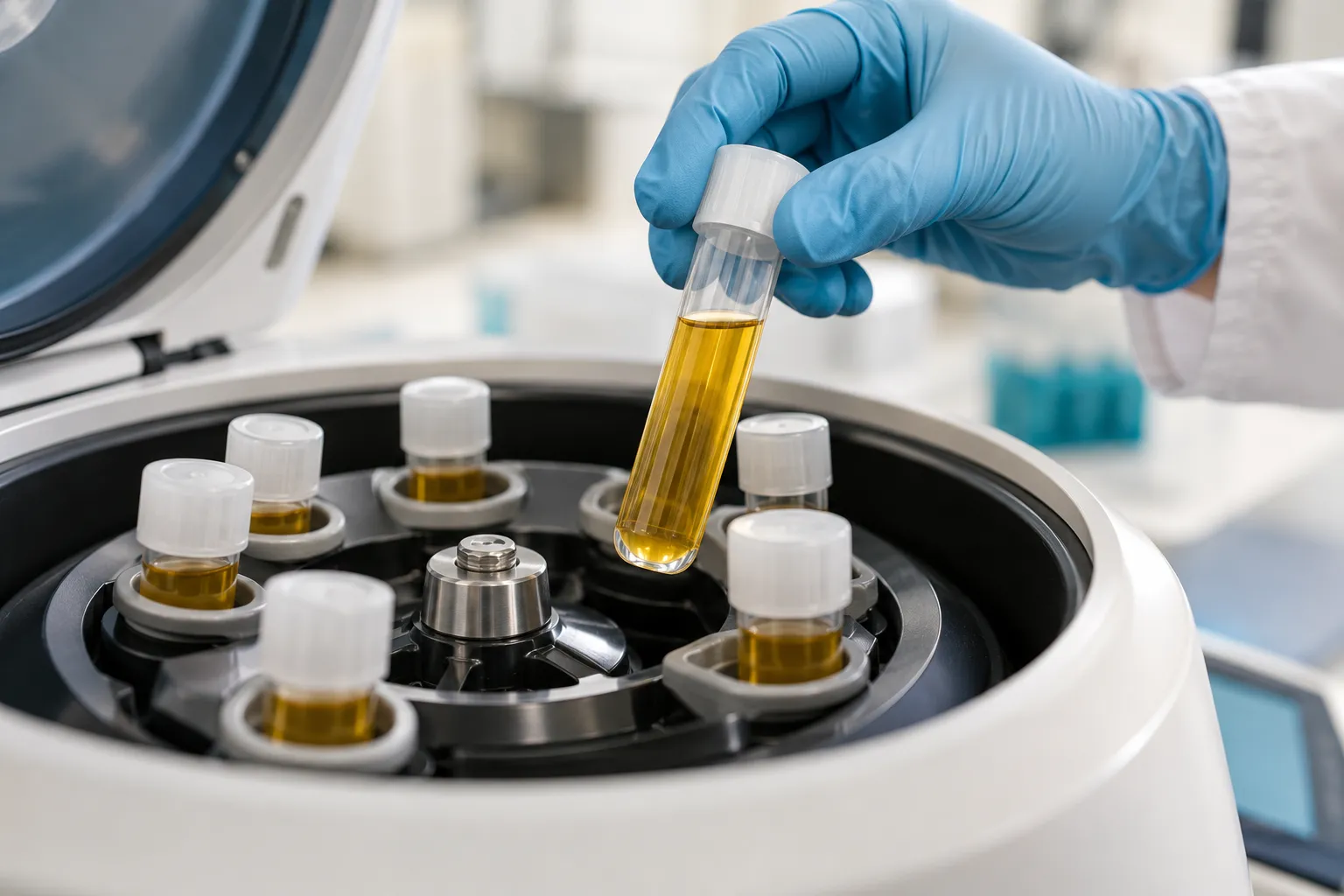
When it comes to regenerative medicine, not all PRP systems are equal. The concentration of platelets —and how long they remain active in the body—determines the quality of healing your patients experience.
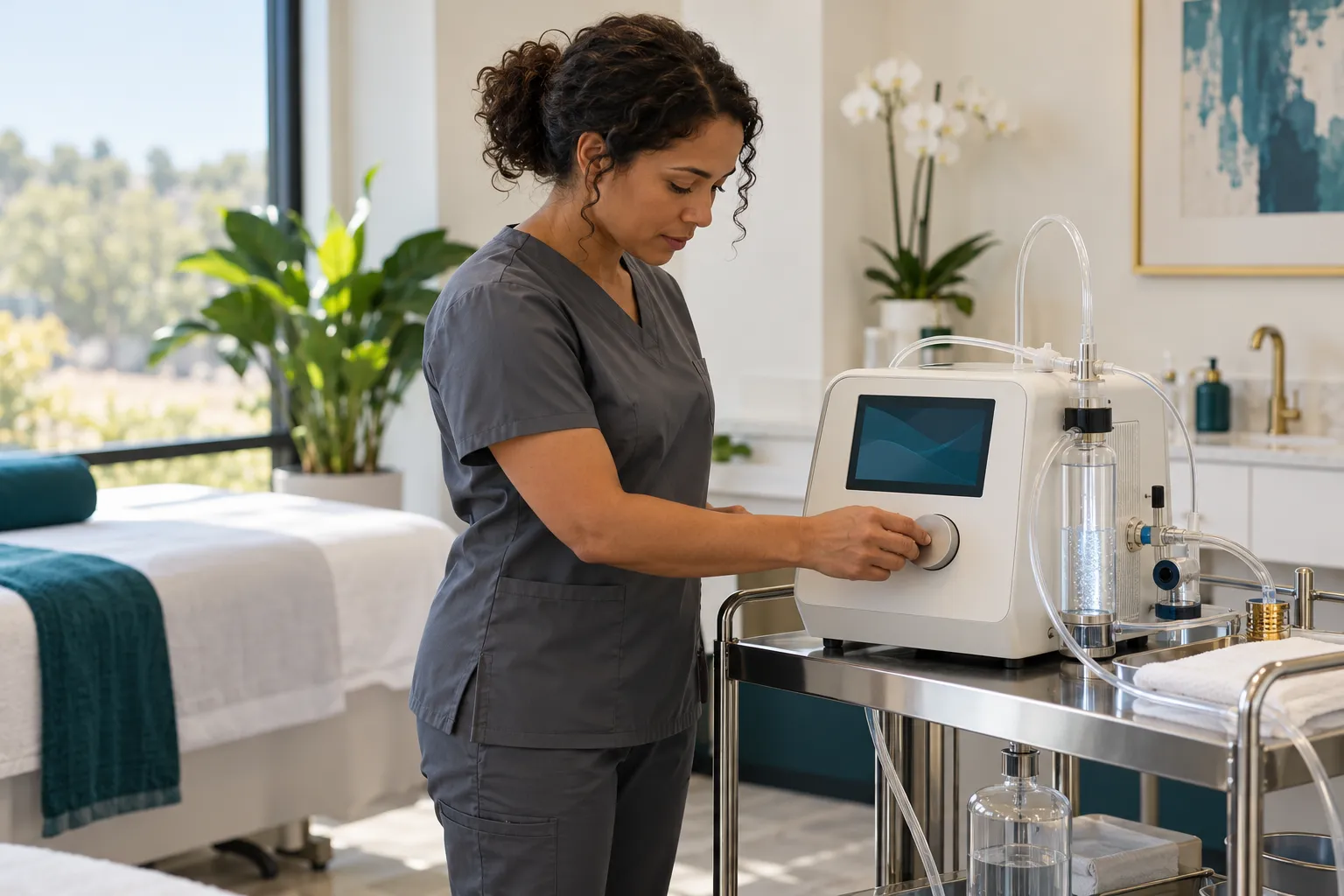
Beyond biologics and PRP, two regenerative breakthroughs are taking center stage: peptide therapy and ozone therapy . Both offer chiropractors and multidisciplinary teams powerful, non-surgical tools to accelerate healing.